
The Hidden Link Between Food and Children’s Well-Being
Parents are often inundated with conflicting messages about what constitutes a healthy diet for their children. Between aggressive food marketing and ever-changing dietary guidelines, it can be challenging to discern which foods truly nourish a growing body and mind. Research now reveals a powerful truth: the foods children consume directly impact their mental health, mood, and overall well-being.
The Food-Mood Connection
Scientific studies have uncovered the intricate relationship between nutrition and emotional health. Processed foods high in sugar, unhealthy fats, and artificial additives, can contribute to mood swings, anxiety, and even depression in children. Conversely, nutrient-dense foods provide essential vitamins and minerals that support brain function, emotional balance, and overall well-being.
A recent report highlighted how ultra-processed foods such as packaged snacks, sugary cereals, and fast food, act as a “ticking time bomb” for children’s health. These foods may offer convenience, but they often come at the expense of long-term wellness, leading to increased risks of obesity, diabetes, and emotional dysregulation.
Deceptive “Health” Foods
Many parents strive to make healthy choices, yet they may be unknowingly misled by deceptive marketing. For instance, fruit juices are often positioned as a nutritious alternative to soda. Most commercial juices contain excessive amounts of sugar, stripped of the fiber and nutrients found in whole fruit. It is not unusual for a fruit juice to contain as much as 30-40 grams of sugar (about ten teaspoons) . . . the same as a can of soda!
It is much healthier to provide your children with whole fruit for nutrition and water for hydration.
Similarly, many so-called “healthy” snacks—like granola bars, flavored yogurts, and fruit gummies—are also packed with artificial sweeteners like aspartame, sucralose, and saccharin, as well as preservatives, artificial flavors, and added sugars. It is wise to read food labels carefully, ensuring that the first few ingredients are natural and unprocessed.
Understanding Food Labels
Teaching children how to read food labels empowers them to make informed choices. Ingredients are listed in order of quantity, meaning the first ingredient makes up the bulk of the product. If sugar, corn syrup, or an unrecognizable chemical top the list, the food is most likely an unhealthy choice.
You can also look for common additives such as monosodium glutamate (MSG), artificial dyes, and hydrogenated oils, which have been linked to negative health effects. It is wiser to opt for foods with fewer unrecognizable ingredients (artificial and otherwise) and more whole, natural ingredients. The odds are, if you can’t pronounce it, it is a synthetic additive, which typically is not as healthy as natural ingredients.
Building a Healthier Relationship with Food
Having healthy eating habits isn’t just about restricting harmful foods—it’s about cultivating a positive relationship with food. Here are a few practical strategies:
- Lead by Example: Children model their eating habits after their parents. Choosing nutritious meals and snacks sets a strong foundation.
- Make Healthy Eating Fun: Engage children in meal preparation, allowing them to explore different ingredients and flavors.
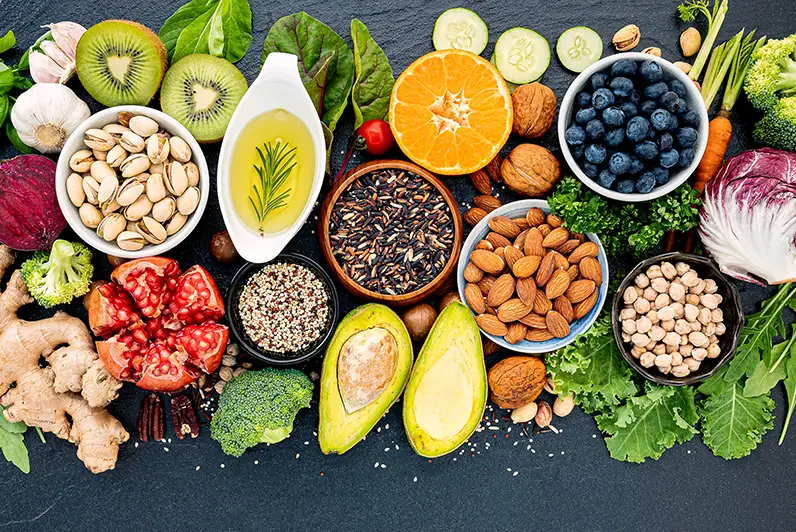
- Prioritize Whole Foods: Focus on fresh fruits, vegetables, lean proteins, and whole grains rather than packaged alternatives.
- Encourage Mindful Eating: Teach children to listen to their hunger cues and enjoy meals without distractions like television or mobile devices.
- Avoid Weight-Centric Language: Frame discussions around health and energy rather than weight or appearance to build a positive body image.
The Role of Schools in Nutrition
Many children rely on school meals as a primary source of daily nutrition. Advocates like Chef Ann Cooper are working to improve the quality of school lunches by promoting scratch-cooked, whole-ingredient meals. Schools that incorporate healthier food options see not only improved student health but also better academic performance and behavior.
The Power of Parental Influence
Parents have the unique ability to shape their children’s lifelong relationship with food. By prioritizing whole, nutrient-dense meals, educating children about food choices, and building a healthy food culture at home, families can lay the foundation for long-term well-being. The path to better health starts with small, consistent changes—choosing whole fruit over juice, preparing meals at home, and making mindful grocery shopping decisions.
With knowledge and intentionality, parents can empower their children to thrive—mentally, emotionally, and physically—through the simple, yet profound, power of food.

Angela Legh, International Bestselling Author, Motivational Speaker, and Television Show Producer, passionately promotes emotional intelligence through her book series The Bella Santini Chronicles and her TV show Unfiltered Parenting