
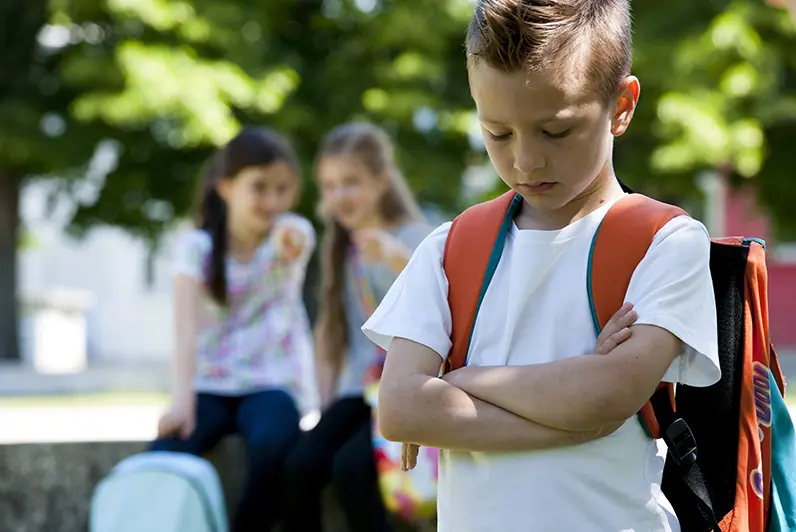
A crucial and ongoing challenge for parents, educators, and communities, is addressing the pervasive issue of bullying, which profoundly affects children’s lives. Bullying has evolved from the schoolyard confrontations many adults remember to a more insidious, multi-faceted problem that permeates nearly every aspect of a child’s life. It occurs at school, after school, and increasingly, online, leaving no haven for some children.
Understanding the Evolving Landscape of Bullying
Bullying, at its core, is defined by a pattern of intentional, aggressive behavior designed to harm or intimidate another person. One helpful description of this phenomenon is “Being Mean, On Purpose, Over and Over.” It’s important to acknowledge that bullying is not just a momentary lapse in judgment or a one-time conflict; it’s a sustained and systematic abuse of power. This reach has even expanded beyond the schoolyard.
One impactful point is bullying isn’t just about physical actions; words can wound deeply. Often, hurtful words resonate because they tap into unresolved pain and past experiences. What people say or do can trigger emotions from past experiences, and these reactions aren’t just about the moment—they come from the hurt we’ve been carrying for a long time. Until we heal those old wounds, similar situations will keep making us feel upset because they bring back those unhealed memories.
Exploring the Dynamics of Bullying
The first step is to understand the impact that ostracization can have. When children are separated, or ostracized, the emotional toll can be profound, leaving them feeling isolated and unloved. Negative words, insults, or derogatory labels can have a devastating impact, causing pain, and self-doubt, as well as eroding one’s sense of worth. It’s crucial to recognize the impact our words can have and choose them wisely, understanding those words have the power to shape not only individual experiences but also entire communities and societies.
The “Hurt People Hurt People” Paradox
The saying “hurt people hurt people” is too often true. Many times, people who bully are dealing with their pain or problems. They might feel the need to take control in some part of their life, so they try to control others. Or they could be projecting their inner struggles onto someone else, using bullying as a way to deal with their hurt. Understanding that bullies often act out because of their issues can help us see the bigger picture and figure out better ways to handle these situations.
Those who inflict harm on others are often struggling with internal pain, and by fostering an environment that uplifts everyone, we can transform the relational dynamics in the classroom. We will explore the power plays of bullying, and why all of us need to ensure that classrooms and playgrounds are more inclusive.
Research from the Brookings Institute reveals that 95% of school shooters are male, and a significant portion of them feel marginalized or ostracized by their peers. One 16-year-old shooter said: “I feel rejected, rejected—not so much alone, but rejected. I feel this way because the day-to-day treatment I get usually is positive, but the negative is like a cut; it doesn’t go away really fast.” This highlights a critical truth: hurt people hurt others. When children carry unresolved pain, rejection, and isolation, it can manifest in destructive ways. If we focus on building empathy and compassion in kids, we can create a culture where bullying diminishes, and the root causes of school violence, including shootings, are addressed.
What are the factors that lead to marginalization? Kids who look, act, or identify differently from their peers—whether due to race, gender identity, disability, or even personal interests—may be singled out or excluded. Children who face difficulties in school, whether due to learning disabilities or lack of support, can feel alienated if they don’t meet academic expectations or if they’re labeled as “different” by teachers or classmates. Kids from low-income families, broken homes, or unstable living situations may be marginalized. Children dealing with mental health challenges, such as anxiety, depression, or behavioral disorders, can struggle to connect with others and may feel left out if their struggles are misunderstood or stigmatized. In schools with diverse populations, students from minority cultural or linguistic backgrounds may be marginalized if their culture isn’t recognized, respected, or integrated into the school environment.
All these factors, which contribute to a child’s marginalization, can be addressed by fostering a culture of compassion in schools. The idea that everyone must be the same to be accepted has to be tossed out. It’s time to celebrate our uniqueness.
Compassion helps break down barriers, allowing students to see beyond surface differences and recognize the shared humanity in others. By embedding kindness, empathy, and respect into the curriculum and daily interactions, schools can create an environment where every child feels valued, included, and supported, reducing both bullying and the emotional pain that can lead to violence.
Actionable Strategies for Bullying Prevention
How can bullying be prevented? First, talking things through is important. Have a calm and non-judgmental conversation with your child. Ask them about their feelings and experiences. Help them to express the emotions they experience positively and encourage them to share what’s going on in their life. Listening without interruption helps them feel heard and understood.
It is also important to help your child identify and express their emotions. Sometimes, bullying behavior stems from feelings of insecurity, anger, or frustration. Teach them to recognize these feelings and find healthy ways to express them, such as talking, journaling, or engaging in creative activities.
Also, show your child the importance of empathy by discussing how their actions affect others. Encourage them to think about how they would feel if they were in the shoes of those they are bullying. Sharing stories or watching videos about kindness and compassion can help reinforce these lessons. Help your child build healthier relationships by involving them in activities that promote teamwork and cooperation. Sports, clubs, or volunteer work can provide opportunities to connect with others in positive ways, fostering friendships and reducing negative behaviors.
If bullying behavior continues, consider reaching out for additional support, such as counseling or guidance from a school psychologist. Professional help can provide your child with tools to cope with their feelings and shape their behavior.
Bullying prevention is not a passive endeavor; it demands active engagement, empathy, and a commitment to fostering positive change. If we wish to end bullying, we are called to address the root causes of marginalization, promote emotional intelligence, and cultivate cultures of compassion and inclusion. We can empower children to thrive in environments free from fear, intimidation, and harm. As a society, it is our shared responsibility to champion the well-being of every child and create a future where kindness prevails over cruelty.
Learn more at: angelalegh.com

Angela Legh, International Bestselling Author, Motivational Speaker, and Television Show Producer, passionately promotes emotional intelligence through her book series The Bella Santini Chronicles and her TV show Unfiltered Parenting