
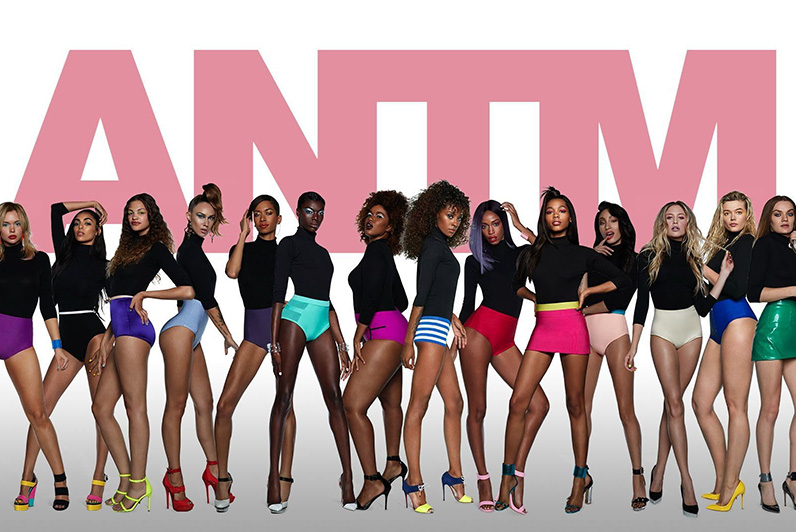
For years, America’s Next Top Model (ANTM) sold itself as a gateway, an opportunity to transform raw potential into professional success. But as the series is reexamined through the lens of a new Netflix documentary, a more uncomfortable question emerges. Was the show ever truly about creating models, or was it about placing young women, many barely out of their teens, into high-pressure environments designed to maximize drama, vulnerability, and spectacle? The promise of fame was real. The cost of chasing it may have been far higher than viewers were led to believe.
The documentary, set to premiere on Netflix in the United States on February 16, 2026, promises an unflinching look behind the glossy veneer of Tyra Banks’ reality empire. For over two decades, America’s Next Top Model captivated audiences with elaborate photo shoots, high-fashion challenges, and the drama of eliminations. Contestants competed not just for a modeling contract, but for the chance to become household names, to walk runways, and to transform their lives overnight. The show’s influence on pop culture was undeniable. It introduced phrases, poses, and personalities that lingered far beyond the television screen. Yet as fans prepare to stream the documentary, many are questioning whether the cost of that cultural imprint was too high.
Former contestants have long spoken out about the pressures behind the scenes, alleging a combination of manipulative editing, psychological stress, and what they claim were unnecessary alterations to their appearances, all in the pursuit of ratings. One former contestant recalls that it felt less like a modeling competition and more like a psychological experiment. Stories of staged fights, deliberately controversial critiques, and moments designed to go viral have surfaced repeatedly over the years. Another former participant describes the experience as emotionally exhausting. Living away from family at eighteen or nineteen, everything was magnified. Every mistake, every misstep, was broadcast as if the world was watching them fail.
Perhaps the most controversial aspect highlighted in the documentary is the show’s approach to personal aesthetics. Many contestants recount sudden haircuts, extreme styling, or wardrobe decisions that left them feeling exposed or humiliated. While these moments often made for iconic television and photos that were dissected on fan forums and in magazines, they also drew criticism for prioritizing entertainment over empathy. Some former participants have said these choices were rarely collaborative and sometimes felt punitive rather than constructive.
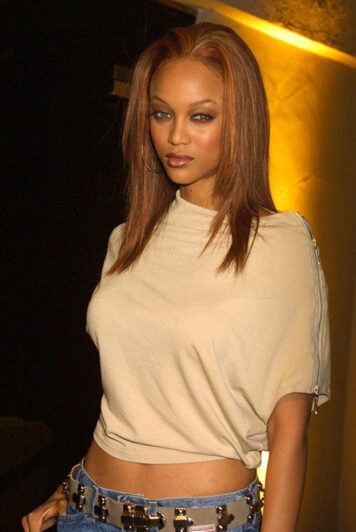
Tyra Banks, the show’s creator and longtime host, remains a polarizing figure in these narratives. She is admired for her trailblazing role as a Black woman in fashion but is also scrutinized for the ways in which her creative decisions may have contributed to the intense pressure cooker of the competition. In interviews promoting the documentary, Banks acknowledges the show’s imperfections but frames them within a broader context of risk-taking and experimentation in reality television. She explains that they wanted to push boundaries. Yes, it was dramatic. Yes, there were mistakes. But the show also changed the conversation about who could be seen, celebrated, and valued in modeling.
The Netflix documentary promises to explore these complexities with unprecedented depth. Using never-before-seen footage, candid interviews with contestants and crew, and commentary from industry insiders, it aims to reveal both the highs and the lows of a show that became a cultural touchstone. Fans will likely find themselves revisiting favorite moments with new insight, recognizing how framing and editing shaped their perceptions. At the same time, the documentary sheds light on the real emotional toll faced by the participants, highlighting that behind every glamorous photo shoot was a young person navigating an environment fraught with competition, criticism, and scrutiny.
Beyond the personal accounts, the documentary also touches on the broader implications of reality television in shaping beauty standards and cultural narratives. America’s Next Top Model was more than a contest. It was a platform that amplified certain ideals of beauty while sidelining others. Some critics argue that this focus contributed to unrealistic expectations for young women, promoting a version of perfection that was narrowly defined and relentlessly policed. The documentary examines these dynamics, contextualizing individual stories within the larger conversation about media responsibility, audience complicity, and the ethical dimensions of entertainment.
Yet the documentary is not purely a critique. It also celebrates the resilience of those who participated in the show and highlights success stories that defy the narrative of exploitation. Several contestants have gone on to achieve notable careers in modeling, acting, entrepreneurship, and activism, crediting the show with giving them exposure and skills they might not have otherwise acquired. For them, the experience was a crucible, intense and often painful but ultimately formative. The documentary balances these perspectives, refusing to reduce the show to a simple tale of triumph or scandal, instead presenting a nuanced portrait of ambition, risk, and consequence.
Audiences can expect moments that are both shocking and revelatory. In addition to recounting behind-the-scenes manipulations, former contestants discuss the psychological strategies used to heighten drama and viewer engagement. Producers’ techniques, from isolating contestants to carefully orchestrating interpersonal conflicts, are laid bare. For viewers who grew up watching the show, these revelations may alter how they remember iconic episodes, introducing a layer of reflection and reevaluation.
Social media reactions have already signaled the documentary’s potential impact. Clips and trailers hint at a wave of conversations about reality television ethics, labor practices, and the long-term effects on young participants. Hashtags like #ANTMNetflix and #BehindTheGloss are beginning to trend, indicating that viewers are eager not just for nostalgia but for accountability and insight. The documentary seems poised to spark renewed discussion about the fine line between entertainment and exploitation, a debate that extends far beyond the confines of a single series.
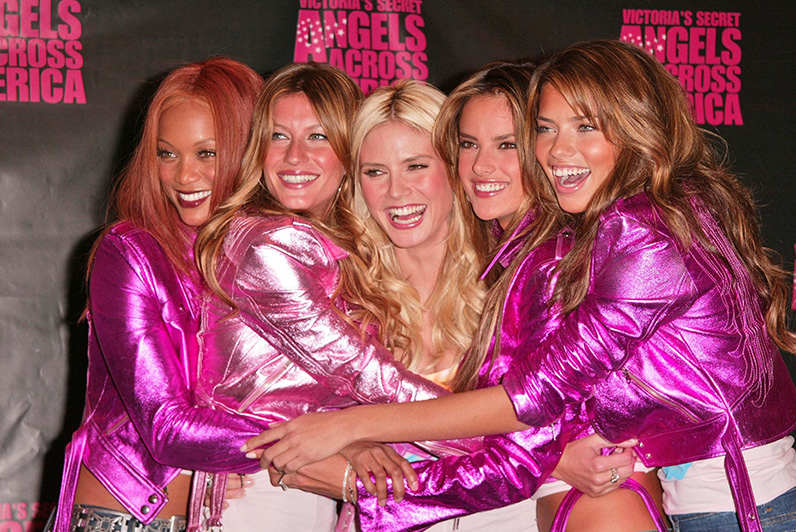
Ultimately, the Netflix documentary on America’s Next Top Model is about more than models, makeovers, or eliminations. It is about the human stories behind the spectacle: the ambitions, vulnerabilities, triumphs, and traumas that were often hidden behind carefully staged sets and dramatic edits. By giving voice to those who lived the experience firsthand, the film challenges audiences to reconsider the narratives they consumed, the pleasures they derived from watching, and the systems that made such programming possible.
As viewers mark their calendars for February 16, 2026, the anticipation is not just about revisiting a beloved cultural artifact. It is about confronting it with fresh eyes. The documentary offers a lens of honesty, reflection, and for some, catharsis. It asks difficult questions about fame, ethics, and the cost of entertainment. In doing so, it reframes America’s Next Top Model not just as a reality show but as a case study in ambition, power, and the price of being watched.
For a generation that grew up quoting Tyra, debating photo shoot outcomes, and mimicking iconic poses, the documentary promises both nostalgia and reckoning. It is a reminder that reality television, no matter how glamorous or entertaining, is ultimately a constructed experience, one that can shape lives, perceptions, and culture in ways viewers may never fully grasp. By lifting the veil on the show’s behind-the-scenes realities, Netflix offers a chance to see ANTM as it truly was a high-stakes experiment in ambition, identity, and spectacle, with real consequences for the young women who lived it.

To cover different events and add a variety of expertise to the news and stories we report, we have several staff writers who contribute to our publication.