

Modern medicine has never been more advanced. Physicians can detect disease earlier, monitor health with unprecedented precision, and treat conditions that once carried devastating outcomes. Yet many patients still leave doctors’ offices feeling that something is missing. They receive a diagnosis and treatment plan, but not always an explanation for why some people heal while others continue to struggle despite receiving the same care.
These questions sit at the center of a growing conversation within healthcare. As chronic illness, infertility, autoimmune conditions, anxiety, and burnout continue to rise, many practitioners are beginning to acknowledge that diagnosing disease and supporting healing may not always be the same thing. Few physicians have observed that distinction more closely than Dr. Tina Koopersmith.
The Gap Between Treating Disease and Supporting Healing
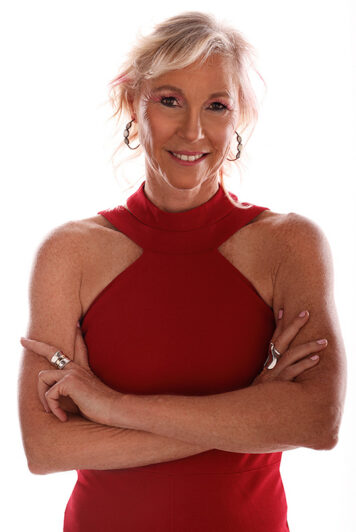
As a board-certified OBGYN and reproductive endocrinologist, Dr. Koopersmith has spent more than forty years helping women navigate infertility, pregnancy loss, hormonal imbalances, and reproductive health challenges. Her career has been built on science, evidence-based medicine, and a deep respect for the remarkable advances that modern healthcare has achieved.
Yet over time, she noticed a pattern that traditional medical training had never fully prepared her to explain. Some patients healed despite difficult circumstances and poor prognoses. Others struggled despite receiving what could only be described as exemplary medical care. They followed treatment plans, took medications, attended appointments, and did everything they were supposed to do. Yet the outcomes varied in ways that medicine could not always account for.
“Western medicine is extraordinary at identifying and treating disease,” says Dr. Koopersmith. “But a diagnosis is not a person. A lab result is not a life.”
The observation became impossible to ignore. If science had become so precise, why did it still leave so many unanswered questions? Why were some of the most important variables affecting patient outcomes often absent from the medical conversation altogether? Rather than dismissing those questions, Dr. Koopersmith began exploring them.
What Medical School Didn’t Teach
Like many physicians of her generation, Dr. Koopersmith was trained to focus on biology. Disease was understood through symptoms, diagnostics, pathology, and treatment. The model was logical, effective, and responsible for saving countless lives. What it did not fully address was the impact of lived experience.
As she searched for answers, Dr. Koopersmith immersed herself in fields that traditionally existed outside the boundaries of conventional medicine. She studied trauma research, nervous system regulation, behavioral science, emotional wellness, nutrition, epigenetics, and the growing body of literature examining how life experiences shape physical health. What she found was not alternative medicine. It was science.
Research now demonstrates that adverse childhood experiences correlate with increased rates of chronic disease later in life. Chronic stress influences hormone production, immune function, inflammation, and reproductive health. Social isolation impacts health outcomes. Emotional wellbeing affects physiology. Even genetic expression can be influenced by environment, relationships, habits, and lifestyle. In other words, biology matters—but biology does not operate in isolation.
“We were taught that genetics determine health,” says Dr. Koopersmith. “But epigenetics has shown us that our thoughts, relationships, environments, and daily habits actively influence how our genes are expressed.”
For her, this realization represented a significant shift. It suggested that medicine had become exceptionally skilled at understanding the body, while often overlooking the context in which that body exists.
When the Real Problem Isn’t on the Lab Report
One of the most powerful lessons Dr. Koopersmith learned throughout her career is that some of the most important information about a patient’s health may never appear in a medical chart. She recalls a patient who had experienced multiple miscarriages and several failed IVF cycles. Medically, there was no clear explanation for why treatment was not working. Then, during a conversation, the patient posed a question that changed the direction of their work together.
“Do you think the fact that I hate the word ‘mom’ has anything to do with this?”
From a clinical perspective, the question seemed unrelated to fertility. For Dr. Koopersmith, it was essential. As they explored further, unresolved emotional conflicts surrounding motherhood emerged, alongside the pressure of launching a nonprofit organization. After working through those challenges in therapy and successfully launching the organization, the patient resumed treatment and eventually became a mother.
Another patient had spent much of her childhood moving through foster homes. Although fertility medications addressed the physical symptoms, they could not address a nervous system that had spent decades in survival mode. Together, they focused on helping her body experience a genuine sense of safety. She conceived during that same cycle.
For Dr. Koopersmith, stories like these are not evidence that medicine is ineffective. They are evidence that medicine is incomplete when it ignores the broader realities shaping a patient’s health.
Expanding the Definition of Healthcare
The challenge facing modern healthcare is not a lack of scientific knowledge. If anything, the volume of information available to physicians has never been greater. The challenge is integration. Medicine has become increasingly specialized, often dividing patients into separate systems, diagnoses, and treatment plans. While specialization has produced extraordinary advances, it can also make it difficult to see the whole person sitting in front of the practitioner.
Dr. Koopersmith believes the future of healthcare lies in bridging that gap. This does not mean abandoning science in favor of intuition. Nor does it mean replacing evidence-based medicine with wellness trends. Rather, it means acknowledging that human beings are more than the sum of their symptoms. Our health is influenced by our relationships, our stress levels, our environments, our experiences, and our sense of safety in the world. These factors are not separate from physiology. They are part of physiology.
As healthcare continues to evolve, she believes physicians will increasingly need to ask questions that extend beyond diagnosis.
The Next Frontier in Medicine
After four decades in practice, Dr. Koopersmith remains deeply committed to modern medicine. She credits science with transforming countless lives and believes many of healthcare’s greatest breakthroughs are still ahead. But she also believes the next major evolution in medicine will not come solely from better diagnostics, more advanced technology, or increasingly sophisticated treatments. It will come from a broader understanding of what it means to heal.
“I didn’t leave medicine,” she says. “I expanded it.”
That expansion has become the foundation of her work, her teaching, and her mission. Through her practice, educational programs, podcast, and upcoming book, she continues to advocate for a model of healthcare that honors both science and humanity. Because after forty years on the front lines of women’s health, Dr. Koopersmith has reached a conclusion that many patients instinctively understand: some of the most important factors affecting health cannot be measured by a blood test alone.
“Your body is always communicating with you and working for you,” she says. “We just have to stop pathologizing the message and start learning the language.”
Medicine may diagnose disease. But healing begins when we understand the whole person.
To learn more about Dr. Tina Koopersmith’s work, you can visit: https://womensreproduction.com/

To cover different events and add a variety of expertise to the news and stories we report, we have several staff writers who contribute to our publication.