
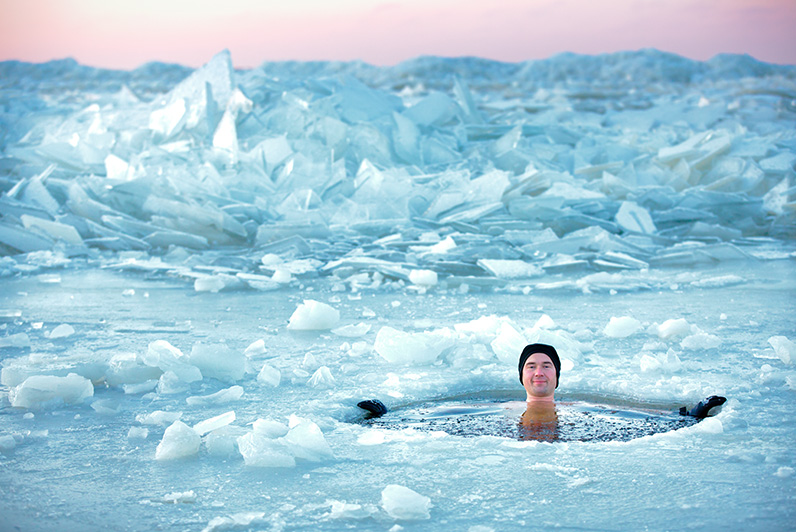
For years, cold plunges were largely associated with professional athletes recovering after intense workouts. Ice baths, freezing tubs, and cold showers were viewed as tools reserved for sports performance and physical endurance. But recently, cold water immersion has moved far beyond the gym. From wellness retreats to executives battling burnout, more people are stepping into freezing water for a completely different reason: mental clarity. This growing interest reflects a broader wellness trend, with the Global Wellness Institute estimating that the wellness economy surpassed $6 trillion globally, as consumers increasingly invest in practices aimed at improving both physical and mental well-being.
The growing fascination with cold plunges is no longer centered purely around muscle recovery. Increasingly, researchers and wellness experts are paying attention to something far more interesting: what happens to the brain when the body is suddenly exposed to cold. In a world where stress, anxiety, mental fatigue, and burnout have become part of everyday life, cold exposure is emerging as an unexpected tool for improving mood, regulating stress, and helping people feel more mentally resilient.
What Happens When Your Body Hits Cold Water
The first few seconds inside freezing water can feel shocking, and that reaction is not accidental. When the skin suddenly comes into contact with cold temperatures, the nervous system immediately activates what scientists call the sympathetic stress response, commonly known as the fight-or-flight response. Heart rate increases, breathing becomes faster, blood vessels constrict, and the brain quickly shifts into survival mode.
At first, this sounds unpleasant. But experts say this temporary stress response may actually be part of why cold plunges feel so rewarding afterward. The body is essentially practicing how to experience stress in a controlled environment and then recover from it quickly. Over time, repeated exposure may help train the nervous system to become more adaptable when facing everyday stressors outside the cold water.
In simple terms, voluntarily stepping into discomfort may be teaching the body how to stay calmer when life becomes uncomfortable elsewhere.
The Science Behind the Dopamine Spike
One of the biggest reasons cold plunges have gained popularity is the immediate shift many people report feeling afterward. People often describe feeling energized, focused, alert, and surprisingly happy. Science suggests this is largely connected to dopamine.
Dopamine is one of the brain’s key neurotransmitters responsible for motivation, pleasure, focus, and mood regulation. Research from the Stanford University School of Medicine has shown that cold water immersion can cause dopamine levels to rise significantly, in some cases increasing by as much as 250 percent above baseline levels. Unlike the short-lived dopamine spikes associated with social media or sugar consumption, this increase tends to build gradually and remain elevated for longer periods.
This may help explain why many people describe feeling mentally refreshed long after leaving the water. Rather than simply waking the body up physically, cold exposure appears to act as a temporary mood elevator by directly influencing brain chemistry.
For people struggling with mental fatigue, chronic stress, or emotional exhaustion, this neurological response has become one of the most compelling reasons cold plunging continues gaining attention.
Cold Exposure May Help Reduce Anxiety
Mental wellness experts are increasingly interested in how cold exposure affects anxiety management. One reason involves breathing. During sudden cold exposure, people naturally begin breathing faster, but with practice, many learn to intentionally slow their breathing and remain calm despite the discomfort.
This process may help regulate the autonomic nervous system, which controls how the body responds to stress. A growing number of wellness practitioners believe this can strengthen emotional regulation over time.
A 2023 review published in Biology examining cold water immersion found that repeated cold exposure may positively influence mood while improving resilience to psychological stress. Researchers suggested that short periods of cold exposure may activate pathways associated with improved emotional adaptation and reduced stress sensitivity.
While cold plunges are not a replacement for professional mental health treatment, researchers increasingly recognize their potential role in broader stress management practices.
Training the Nervous System Through Heart Rate Variability
One area receiving growing attention is something called Heart Rate Variability, commonly known as HRV. HRV measures the variation in time between heartbeats and is widely used as an indicator of how effectively the nervous system responds to stress. Generally speaking, higher HRV is associated with better recovery, improved emotional regulation, and stronger resilience.
Cold exposure appears to challenge this system directly. When the body experiences cold stress and then gradually returns to normal, the nervous system essentially practices shifting between stress and recovery more efficiently.
According to researchers studying stress adaptation, repeated controlled exposure to short-term discomfort can help improve how the body regulates future stress responses. For professionals experiencing workplace burnout, this becomes particularly interesting. The goal is not simply surviving cold water. The larger benefit may be training the body to remain calmer during stressful meetings, demanding schedules, and mentally exhausting workdays. In many ways, cold plunging acts almost like resilience training for the nervous system.
The Rise of Cold Plunging and the Burnout Conversation
Modern life has quietly normalized exhaustion. According to a 2025 global workplace wellbeing report by Deloitte, nearly half of working adults report experiencing ongoing stress and symptoms associated with burnout, with younger professionals increasingly reporting emotional fatigue linked to digital overload and work-life imbalance.
As conversations around mental wellness continue evolving, people are increasingly searching for practical tools that go beyond traditional self-care routines. Meditation, therapy, journaling, and exercise remain important, but cold exposure is quickly joining the conversation because of how immediately noticeable its effects can feel.
Unlike habits that may take months to show results, cold water forces the body and brain into an immediate physiological response, creating an instant sense of alertness that many people find addictive in a positive way.
You Do Not Need a Luxury Ice Bath
One misconception is that cold plunging requires expensive backyard tubs or luxury wellness retreats. In reality, experts say beginners can experience benefits without investing heavily.
A practical approach many people now use is what wellness experts call micro-dosing the cold. Instead of full ice baths, people finish their normal shower with 30 to 60 seconds of cold-water exposure. Gradually increasing tolerance over time allows the body to adapt while still triggering many of the same nervous system responses.
The goal is not endurance competition. The purpose is to expose the body to controlled discomfort long enough to activate the stress response and practice calming down within it. For beginners, consistency often matters more than intensity.
Sometimes Discomfort Is Exactly What the Mind Needs
Cold plunges may look intimidating, but perhaps their greatest appeal lies in what they represent. In a world increasingly designed around comfort, convenience, and instant gratification, intentionally stepping into discomfort forces both the mind and body to adapt in powerful ways.
While cold water may initially feel unpleasant, the science increasingly suggests the benefits extend far beyond physical recovery. From dopamine release and improved mood to better stress regulation and stronger nervous system resilience, cold exposure is becoming one of the more fascinating wellness trends connected to mental health rather than fitness alone.
The irony may be simple: sometimes the fastest way to feel better is not by seeking comfort, but by learning how to become comfortable being uncomfortable.

To cover different events and add a variety of expertise to the news and stories we report, we have several staff writers who contribute to our publication.