
Los Angeles has always had a complicated relationship with its own reflection. It is a city where movies are made, but also where they are experienced in real time, measured not only by box office numbers, but by midnight screenings, ticket drops that sell out in minutes, and the quiet anticipation that builds before the lights go down.
Summer 2026 continues that cycle. From the studios of Burbank to the premieres along Hollywood Boulevard, the season is defined less by discovery and more by recognition. Sequels, prequels, and franchise expansions are no longer exceptions to the calendar; they are the calendar.
Yet audiences are not showing up simply because they recognize a title. They are showing up because these stories left unfinished questions behind.
A Season Built on Familiar Worlds
The summer lineup reads like a reunion with some of Hollywood’s most recognizable characters, each arriving with its own expectations.
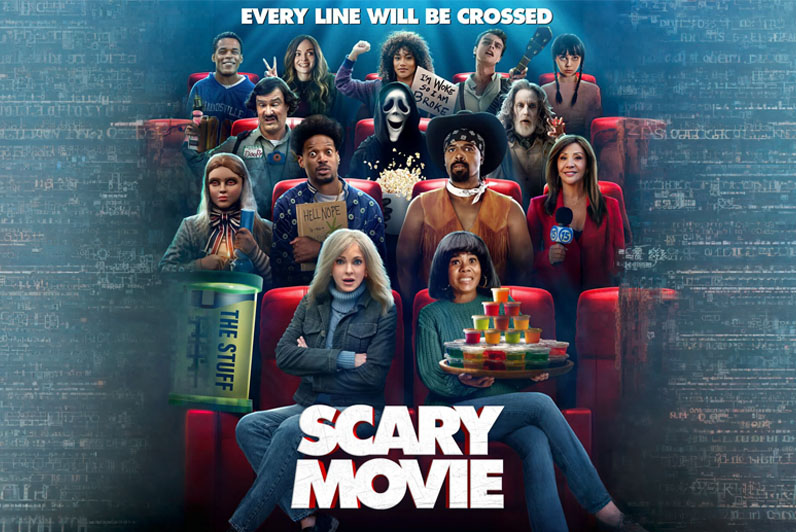
Scary Movie 6 marks the return of a franchise that has been absent from theaters for more than a decade. The previous installment, Scary Movie 5, was released in 2013, following a run that began with the original Scary Movie in 2000 and continued through four sequels released between 2001 and 2006. The films became known for parodying the biggest horror and pop culture moments of their era. This time, audiences are curious to see how the franchise will tackle a modern entertainment landscape shaped by social media, streaming culture, prestige horror, and internet-famous scares. The challenge is different now: comedy audiences have changed, and so has the media ecosystem that the franchise once mocked so effectively.
Toy Story 5 arrives nearly three decades after Pixar introduced Woody and Buzz Lightyear in 1995. The emotional ending of Toy Story 4 appeared to bring closure to Woody’s journey as he chose a new path away from Bonnie and the familiar toy family. That ending left many viewers wondering whether the franchise had truly reached its conclusion. The new installment suggests there are still stories left to tell, and fans are eager to see how Pixar balances nostalgia with a fresh chapter for characters who have grown up alongside multiple generations of viewers.
Spider-Man: Brand New Day may be one of the most anticipated releases of the season. The previous film, Spider-Man: No Way Home, ended with Peter Parker making the ultimate sacrifice: allowing the world to forget who he was to save it. Friends, family, and even those closest to him no longer remembered him. The film closed with Peter alone, anonymous, and starting over. That ending effectively reset the character, creating a rare opportunity to explore Spider-Man without the support systems that defined earlier films. Fans have spent years speculating about what comes next and whether this installment will launch a more grounded chapter for Peter Parker while laying the foundation for the next phase of his story.
Supergirl enters theaters carrying expectations beyond a single film. It represents one of the earliest major entries in the DC Studios rebooted cinematic universe under James Gunn’s leadership. For years, DC struggled to establish a consistent direction across its interconnected films. Many fans view Supergirl as a test of the studio’s new vision and a glimpse into how future stories will be told. The film is expected to introduce audiences to a version of the character that differs from previous portrayals while helping establish the tone of the franchise’s next era.
Minions & Monsters continues one of animation’s most commercially reliable universes. The Minions, who first appeared in Despicable Me in 2010, have evolved from supporting characters into a global brand of their own. Their appeal remains remarkably consistent across age groups and international markets, making the franchise one of Hollywood’s safest summer bets.
Meanwhile, The Mandalorian and Grogu represent a significant moment for Star Wars. Rather than introducing entirely new protagonists, the film continues storylines established in the Disney+ series The Mandalorian. For longtime fans, it is an opportunity to see the relationship between Din Djarin and Grogu continue on a larger scale. For the franchise itself, the film signals a growing effort to bridge streaming and theatrical storytelling. Bringing characters who became household names on television back to the big screen reflects how dramatically the Star Wars universe has evolved since its theatrical beginnings in 1977.
What Audiences Are Hoping to See
If there is a common thread connecting these releases, it is expectation. Some fans want answers. Others want reassurance.
Spider-Man audiences want to know what life looks like after Peter Parker’s world was erased. DC fans are looking for evidence that a new creative direction can succeed. Star Wars followers are eager to see whether beloved streaming characters can command a theatrical audience. Pixar viewers are wondering whether Toy Story can continue its emotional legacy without diminishing the impact of earlier endings.
In some cases, audiences are hoping for something new. In others, they are hoping studios remember what made these stories resonate in the first place. That tension may define Summer 2026 more than any single release.
The Season That Powers the Industry
For Hollywood, summer is more than a season. It is a three-month window that can influence what gets made next. A strong summer can determine whether a sequel moves forward, whether a studio doubles down on a franchise, or whether filmmakers are allowed to pursue more ambitious projects. While audiences see movie releases, Hollywood sees a period that can shape investment decisions for years to come.
That significance extends beyond studio boardrooms. In Los Angeles, where the entertainment industry is woven into the local economy, a successful summer affects everyone from visual effects artists and production crews to theater employees, marketers, and publicists.
Summer films also offer something increasingly rare: collective escape. At a time when entertainment is available instantly and endlessly, audiences still gather around certain releases as shared experiences. For a few hours, they step into worlds that are larger, funnier, more adventurous, or more hopeful than everyday life.
Where Cinema Becomes an Event
Premieres still light up Hollywood Boulevard and the TCL Chinese Theatre, studios in Burbank still shape global release strategies, and IMAX crowds still gather at Universal CityWalk. But the rhythm has changed.
There was a time when audiences physically lined up overnight for major releases, particularly during the height of Star Wars mania. Fans brought sleeping bags, food, and a sense of anticipation that transformed opening night into an event of its own.
Today, that excitement has largely migrated online. Instead of camping outside theaters, audiences refresh ticketing apps the moment presales become available. The waiting has not disappeared; it has simply become digital.
Yet something remains intact. During major openings, laughter still spreads through packed theaters. Silence still falls collectively. Applause still erupts when a moment lands. The technology has changed. The desire to be part of a moment has not.
The Modern Audience: Instant Reaction, Short Memory
In today’s film culture, a movie does not simply release; it enters circulation. Within hours, trailers, reviews, reactions, and fan theories begin shaping public perception. Social media can amplify excitement just as quickly as it can create skepticism. Opening weekends now function as both financial tests and cultural referendums.
In Los Angeles, where entertainment is both industry and environment, audiences often decide quickly whether a film is worth a theater ticket, especially when streaming is never far behind.
Summer 2026 does not feel like a departure from Hollywood tradition. It feels like its latest evolution. The franchises may be familiar, but the questions surrounding them are not. Each film arrives carrying the weight of audience expectation, asking whether it can honor what came before while still finding a reason to exist now.
And perhaps that is what makes this season compelling. Beneath the sequels, prequels, and reboots lies the challenge every franchise eventually faces: convincing audiences that the next chapter is worth turning the page.

To cover different events and add a variety of expertise to the news and stories we report, we have several staff writers who contribute to our publication.