
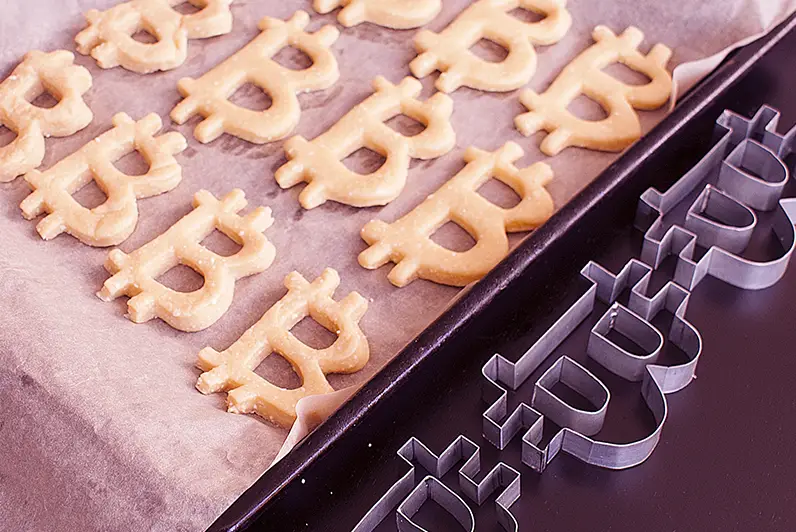
Money is also known as dough—raw, shapeless, and full of potential. But dough doesn’t become bread on its own. It needs ingredients, hands to knead it, and heat to rise into something nourishing and sustaining. The same is true of money. It’s not wealth just by existing in your account. Its true value lies in what you do with it.
Let’s break down the recipe.
Dough Is Raw Potential
Dough on its own isn’t much—just a blob of flour and water. Money, too, is simply potential energy. It’s not wealth until it’s used with intention. The key is recognizing that money is not an endpoint but a starting material. What you choose to do with it determines whether it turns into something lasting or sits idle.
Take investing, for example. Stocks can be seen as a sourdough starter—given the right care and consistency, they multiply. On the other hand, cryptocurrency is like wild yeast—unpredictable, but powerful under the right conditions. Either way, money needs direction. Left on its own, it stagnates. But used wisely, it can grow exponentially.
You Gotta Knead It
Great bread isn’t made by letting dough sit in a bowl. It has to be worked. Kneading develops the gluten—the strength and elasticity that gives bread its structure. Likewise, building wealth requires effort. You can’t expect money to grow without engagement.
This is where budgeting, investing, learning, and even taking calculated risks come in. These are your hands in the dough. Take investing again—not just “set it and forget it,” but shaping your portfolio like you’d shape your dough before baking. It takes monitoring market trends, adjusting to risk tolerance, and staying informed.
The Rise Needs Heat
Even well-kneaded dough won’t rise in the cold. It needs warmth—just as money needs challenge, pressure, and the heat of discomfort to grow. Stepping out of your financial comfort zone is essential. No heat, no rise. No risk, no reward.
Putting your money into the stock market or crypto is like sliding your dough into the oven. Market dips, volatility, and economic shifts are your oven temperatures. They’re unpredictable, and they can make you sweat. But they’re also what make growth possible.
Let’s break it down further. In the U.S., there are three major categories of investments most people start with: stocks, bonds, and cryptocurrency. Each has its own role in a balanced financial recipe.
Stocks (Equities)
Buying stocks means owning a piece of a company. If the company grows, your investment can too. Historically, U.S. stocks have delivered long-term gains averaging 7–10% annually. They’re highly liquid; you can trade them easily on major exchanges like the NYSE or NASDAQ, and they may even come with dividends or voting rights.
But stocks are also volatile. Prices can swing wildly with news cycles or economic trends. And when downturns hit, panic selling can lead to losses. That’s why they’re best suited for long-term growth, particularly in retirement accounts like IRAs or 401(k)s, where you can ride out the storms and benefit from compounding.
Bonds
Bonds are the more conservative cousin in the investment world. When you buy a bond, you’re lending money to a government or corporation in exchange for regular interest payments and the return of your principal at maturity.
U.S. Treasury bonds are among the safest investments in the world, while municipal and corporate bonds offer varying levels of return and risk. Bonds provide steady income and stability, making them a great counterbalance to the ups and downs of the stock market.
But safety comes at a cost. Bonds usually offer lower returns than stocks, and they’re sensitive to interest rate changes. Inflation can also erode their value over time. Still, they’re ideal for retirees or conservative investors looking for predictability.
Cryptocurrency
Crypto is the wild card. Digital currencies like Bitcoin, Ethereum, and Solana operate outside of traditional banks and governments. Their appeal lies in high growth potential, decentralization, and around-the-clock accessibility.
But crypto is not for the faint of heart. Prices can crash in minutes. The market lacks regulation, making scams and hacks more common and the legal landscape in the U.S. is still evolving—especially around taxes and reporting.
Crypto is best for those with a high risk tolerance and an appetite for speculation. Think of it as the “heat blast” in your financial oven. It might not always rise the way you expect, but it can yield extraordinary results when conditions are right.
Which Should You Choose?
The smartest investors don’t rely on just one dough recipe. A balanced portfolio often includes a mix of all three types of investments:
- Stocks for long-term growth
- Bonds for income and stability
- Crypto for speculative upside
A common ratio might look like 60% stocks, 30% bonds, and 10% crypto—but this can shift based on your age, goals, and financial comfort zone. Younger investors might go heavier on stocks and crypto, while older investors may lean more into bonds for security.
In the U.S., tax-advantaged accounts like Roth IRAs and 401(k)s offer powerful tools to grow your investments. Stocks and bonds in these accounts can grow tax-free or tax deferred. Meanwhile, crypto is under increasing regulatory scrutiny, with stricter tax reporting requirements now in effect.
While inflation remains a concern, higher interest rates have made Treasury bonds and T-Bills more attractive than they’ve been in years. They offer a safe haven for investors during economic uncertainty—like proofing your dough in a warm, controlled space.
Lastly, money is just dough. What matters is how you work it. Whether you’re kneading through budgeting, rising through risk, or baking up a future with smart investments, the key is active engagement. Don’t just let your money sit. Use it, shape it and heat it up because in the end, wealth isn’t just about what you have, it’s about what you create.

Magda Kamande is a freelance writer dedicated to spotlighting influential voices and uncovering stories that inspire change and spark meaningful conversations.