
For years, the entertainment industry has been dominated by one major shift: streaming. Platforms like Netflix, Disney+, and Hulu have completely changed the way audiences consume entertainment, giving viewers instant access to thousands of movies, television shows, and live content without ever leaving home. In an era where convenience has become king, many predicted that traditional entertainment industries built around physical attendance would gradually lose relevance.
Yet if this year’s 79th Tony Awards proved anything, it is that Broadway continues to resist that prediction. According to The Broadway League, Broadway attendance recently surpassed 14 million theatergoers annually, generating over $1.8 billion in ticket revenue, a clear signal that audiences remain willing to pay premium prices for live entertainment despite having endless streaming options at home.
The bigger question now is no longer whether live theater can survive in the digital age. The question is why audiences continue choosing it. And perhaps this year’s Tony Awards offered some interesting answers.
The Power of Entertainment You Cannot Pause
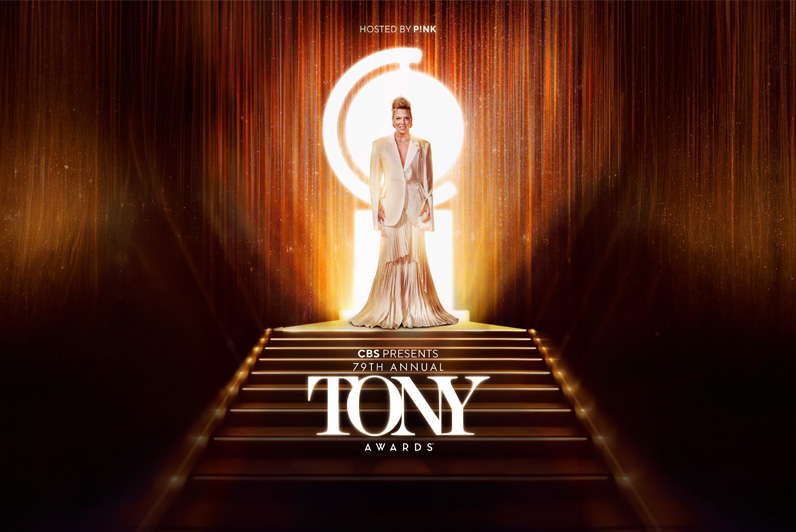
One of the clearest reminders came within the first few minutes of the ceremony. Host P!nk immediately set the tone by flying above the audience at Radio City Music Hall during a performance of I’m Flying from Peter Pan before transitioning into an explosive Lady Marmalade performance featuring over 170 Broadway performers alongside surprise appearances from Neil Patrick Harris, Megan Thee Stallion, and Lea Michele.
The performance quickly dominated online conversations, but more importantly, it reminded audiences of something streaming cannot replicate: unpredictability. Unlike television or film, theater exists entirely in real time. There are no retakes, no editing, and no post-production corrections. Every performance happens once, creating a level of tension and excitement that cannot be recreated through a screen.
Perhaps this is one of the reasons Broadway continues thriving. In a world where entertainment has become increasingly convenient, audiences still crave experiences that feel immediate and unfiltered.
Audiences Still Want Shared Experiences
Streaming has transformed entertainment into an increasingly private experience. People watch alone, pause when convenient, skip scenes, multitask, and consume content individually. Theater offers the complete opposite.
Broadway remains one of the few entertainment spaces where hundreds of strangers gather together to experience the same emotional reactions in the same moment. Laughter, suspense, standing ovations, and emotional silence all happen collectively.
This growing demand for shared experiences may explain why live entertainment continues attracting loyal audiences even as digital entertainment becomes more dominant. People are not simply paying for a performance. They are paying for presence.
Familiar Stories Are Winning
One of the biggest patterns emerging from this year’s Tony Awards was the continued success of familiar stories.
Schmigadoon! won Best Musical, successfully transforming a popular television concept into a live production. Meanwhile, Death of a Salesman became one of the night’s biggest winners, taking home six awards and proving that decades-old storytelling still resonates deeply with modern audiences. Ragtime also performed strongly, winning Best Revival of a Musical.
This reflects a broader entertainment trend happening far beyond Broadway. Across film, television, and theater, audiences increasingly gravitate toward stories they already recognize. Familiarity has become valuable in an entertainment landscape overflowing with endless new content. Nostalgia continues selling, and Broadway seems to understand that better than most industries.

Social Media May Actually Be Helping Broadway
Ironically, the same digital culture many believed would weaken live theater may actually be helping it survive. Platforms like TikTok and Instagram have made live experiences more visible than ever, with theater clips, backstage moments, cast performances, and viral audience reactions introducing Broadway productions to younger audiences who may never have traditionally engaged with theater. In many ways, social media has turned Broadway into something shareable, allowing live performances to travel far beyond the physical theater itself while generating cultural curiosity that streaming alone cannot create.
Live Entertainment Is Becoming Premium Again
Another interesting takeaway is how audiences increasingly view live entertainment as an experience worth paying for.
Streaming subscriptions have made entertainment cheaper and more accessible than ever before, but convenience has also created oversaturation. Viewers now have unlimited content choices, yet many increasingly seek experiences that feel memorable enough to justify leaving home.
Broadway has quietly positioned itself as exactly that. Theater has become less about casual entertainment and more about premium cultural experiences people actively plan around.
This may explain why productions continue commanding high ticket prices while maintaining strong attendance. Audiences are becoming more selective about where they spend money, but live experiences still hold value because they offer something digital entertainment simply cannot replace.
What This Year’s Tony Awards Revealed About Entertainment
Beyond individual winners, this year’s Tony Awards revealed something much bigger happening across entertainment. While technology continues to reshape how audiences consume content, not every form of entertainment is losing ground. Some forms are becoming even more valuable precisely because they cannot be digitized.
Broadway is proving that convenience is not everything. Audiences may love streaming, but they still crave emotional connection, shared experiences, live performance, and stories that feel bigger than what can be consumed casually from a couch.
The entertainment industry spent years assuming streaming would dominate everything. But if the 79th Tony Awards revealed anything, it is this: some experiences remain powerful precisely because they cannot be paused, skipped, replayed, or watched alone.
And perhaps that is why Broadway continues thriving in an era that was supposed to replace it. Not because it resisted change, but because it continues offering something modern entertainment still cannot fully recreate: the magic of being fully present.

Diana Murua is a journalist and freelance writer, passionate about telling powerful stories and highlighting people making a meaningful impact in the world.