
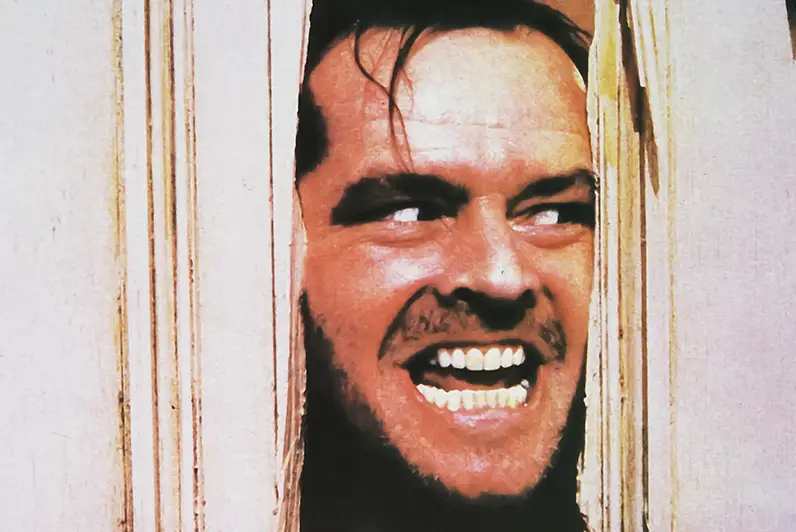
Every October, the world collectively slips into the mood for fright. Cobwebs are stretched across porches, jack-o’-lanterns flicker in the night, and streaming platforms load up with spooky playlists. Horror becomes the headline genre of the season, as if its sole purpose is to complement Halloween. But this view shortchanges both the genre and its audience.
The truth is, horror movies aren’t just for Halloween. They are year-round cultural companions, thrilling us, unsettling us, and even teaching us in ways that no other genre can. Horror is not a seasonal indulgence but a constant reflection of human fears, desires, and imagination.
Fear Is Not Seasonal
At its core, horror thrives on fear, the most universal of emotions. Unlike Christmas joy or Valentine’s romance, fear is not bound to the calendar. It lurks in everyday life, whether in the form of uncertainty about the future, the unease of walking down a dark street, or the anxieties of social and political change. That’s why a ghost story in June or a zombie apocalypse in March can shake us just as deeply as a haunted house in October. Fear is timeless, and so are the stories that exploit it.
Horror as a Form of Escapism
Many turn to action films for adrenaline, to rom-coms for comfort, or to dramas for emotional catharsis. Horror provides something unique: the chance to face danger in a safe space. A slasher film might terrify us, but we know the masked villain on screen cannot harm us in reality.
Feeling unsafe while actually being safe is why horror is so addictive. It allows us to explore the darkest corners of human imagination, scream, laugh, or cover our eyes, and then return to normal life unharmed. And unlike Halloween candy, that thrill never goes stale.
The Many Faces of Horror
Horror shouldn’t be confined to October because it offers so much more than blood and jump scares. The genre spans a wide range of subgenres that can match almost any mood. There’s the eerie chill of supernatural tales like The Conjuring or Veronica, the sharp suspense of slashers such as Halloween or the Fear Street trilogy, and the relentless dread of zombie apocalypses in Alive or Train to Busan.
For those who prefer mind games, psychological horror delivers unease in films like Get Out, Cam, or Black Swan, while body horror unsettles with grotesque transformations in The Fly or The Perfection. Then there’s the haunting atmosphere of gothic and folk horror, captured in stories like Midsommar or The Witch.
Horror As a Mirror of Society
Horror doesn’t just scare; it reveals truths about the world around us. Historically, horror films have mirrored the anxieties of their time:
In the 1950s, alien-invasion movies like Invasion of the Body Snatchers reflected Cold War paranoia.
In the 1970s, films like The Texas Chainsaw Massacre channeled distrust of institutions and societal breakdown.
Jordan Peele’s Get Out (2017) reframed horror through the lens of race relations, exposing the terror of microaggressions and systemic exploitation.
Netflix’s His House (2020) used supernatural hauntings to explore the trauma of refugees and immigration.
When viewed through this lens, horror is not just entertainment; it is a cultural barometer, recording and dramatizing our collective fears. And since social anxieties are not seasonal, neither is horror.
Horror And the Psychology of Fear
Psychologists argue that horror movies provide a form of exposure therapy. They allow audiences to confront anxieties in a controlled environment. Watching a character survive or fail against seemingly impossible odds offers a vicarious way to confront our own fears.
Interestingly, research suggests that horror fans may even be more resilient during real-life crises. A study conducted during the COVID-19 pandemic found that people who regularly consumed horror were better at coping with uncertainty and stress. Perhaps those midnight scares actually prepare us for the chaos of everyday life.
Horror as Comfort
For devoted fans, horror becomes a kind of comfort food. The predictability of certain tropes, a creaky floorboard, a flickering light, and the “don’t go in there!” moment can feel oddly reassuring. Just as someone might watch a holiday movie in July to feel cozy, horror fans revisit The Shining or Scream throughout the year for a familiar thrill. This paradox comforts through fear, explaining why horror conventions, film festivals, and fan clubs flourish year-round. Horror has become a community experience, not just a seasonal one.
Streaming Has Changed Everything
The rise of streaming platforms like Netflix, Shudder, and Hulu has further cemented horror as an all-season genre. Unlike decades past when horror movies clustered around October releases, streaming ensures that a fresh supply of chills is always available.
From Netflix’s Fear Street trilogy dropping in the summer to global hits like Talk to Me making waves outside Halloween, the genre is proving it doesn’t need pumpkins and costumes to draw an audience. Horror is thriving in March, May, and every month in between.
Why We Should Embrace Horror Year-Round
It’s versatile. Horror pairs well with other genres, including sci-fi, romance, comedy, and drama, making it suitable for every mood. It’s relatable. Horror externalizes the universal human condition: fear of death, the unknown, loss, and change. It’s resilient. No matter how trends shift, horror finds a way to reinvent itself for new audiences. It’s fun. Sometimes we just want to scream, laugh, and hold our breath even in February.
When the Curtain Falls, Fear Remains
Halloween may be the time when horror gets the spotlight, but the genre refuses to stay in the shadows for long. Whether it’s a snowy night in January or a rainy afternoon in July, horror movies continue to thrill, entertain, and challenge us.
So, the next time someone tells you horror is for October, remind them: fear has no season, and horror has no expiration date. Horror movies aren’t just for Halloween; they’re for anyone, anywhere, any time the heart craves a good scare.

Magda Kamande is a freelance writer dedicated to spotlighting influential voices and uncovering stories that inspire change and spark meaningful conversations.